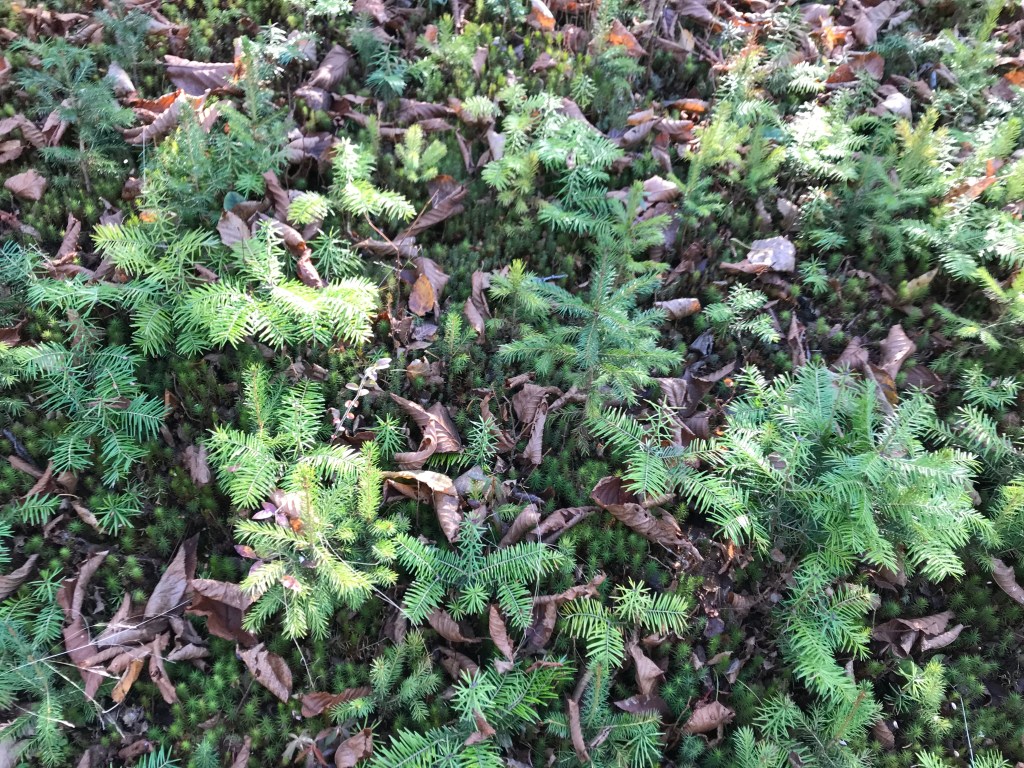
It may have started with a weeping willow. I used to pass one on the way home from school in grade three, I think it was. I had started at a new school and before I knew anyone in the neighbourhood, I knew that tree. I would sit under it, leaning against its wide trunk, feeling protected, finding privacy in a public space. In the Laurentians, as a kid, there were the birch and maple, the spruce and pine. At home, my dad would plant cedars. Little surprise that by the time I reached adulthood, I looked to trees for strength or wellness in times of difficulty. They have been companions in times of solitude and sources of peacefulness and beauty, always.
Trees. Forests. Forests, trees. Some practical information on the subject —
In Canada, Québec has the largest forested area of any province or territory and Canada has the third largest forested area in the world, after Russia and Brazil. If you’re curious, the Global Forest Watch website has a map that shows global tree cover, with annual changes in tree cover loss and tree cover gain.
A little closer to home for me here in Montréal and for many of us in Canada, where 80% of the population lives in a city, the Canadian Institute of Forestry has open data and an interactive map that shows whether tree density is high, medium or low in a neighbourhood. You can also zoom in to identify the species of individual trees living near you. Near me: some maple and gingko, among others.
The 2022 report, Canada’s Urban Forests: Bringing the Canopy to All, recommends the “3-30-300” rule for urban forestry planning: everybody should be able to see at least three trees from their home, there should be a tree canopy of at least 30% in all neighbourhoods, and residents should have a green space of at least one hectare 300 metres from where they live. To find out more about urban forestry near you, check out the Canadian Urban Forestry Network.
All to say: show some love to the tree outside your window, walk in a park or a forest. You may need it more than you think you do.
 a few words ... from Montréal