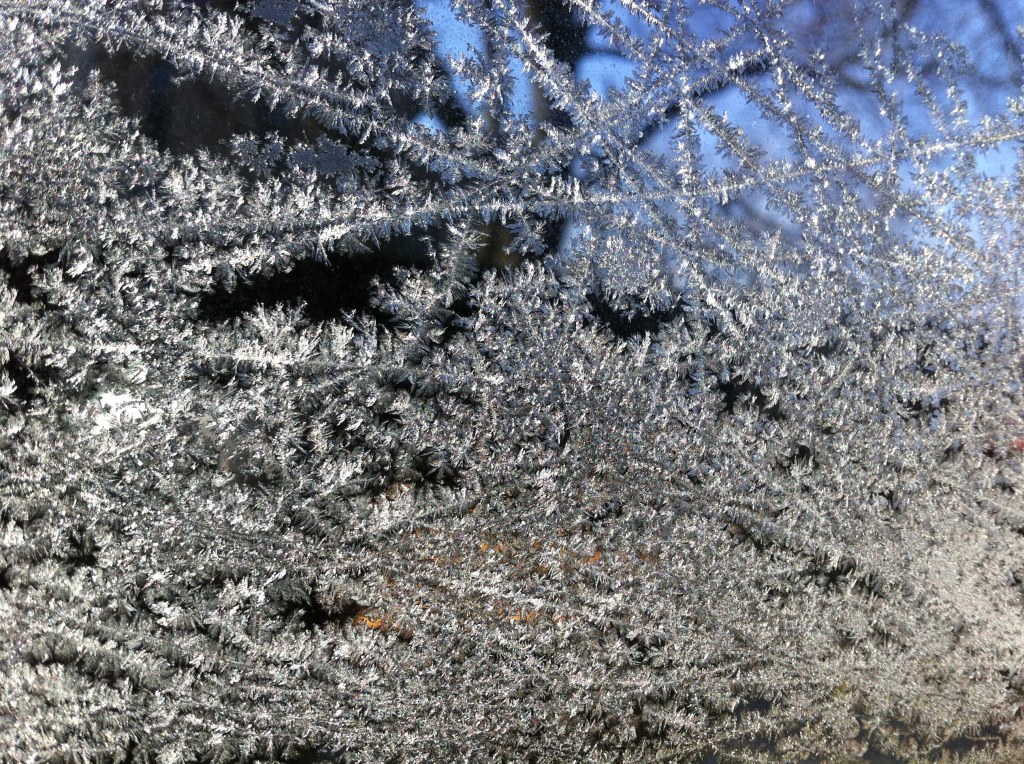
The tip of the iceberg. You know, as in, most of the iceberg is concealed from view beneath the surface of the water. We learn this at a relatively early age from grade school textbooks. Maybe we’re reminded later by accounts of the Titanic. When it comes to icebergs, we know that we can’t see most of what is there. I think it’s easy to forget that the same principle applies to people.
You. Me. All of us.
I don’t think I began to understand how much is beyond what I’m able to see in a person until, by chance, in graduate school, I was introduced to auto-ethnography.* Stay with me for a minute, this won’t take long. What that chance, yet methodical, encounter with auto-ethnography taught me is this: even with the inside information that I have about who I am, when I look more closely at the various dimensions of my self and my experience of my life, what I uncover in any moment is only the tip of the iceberg. Imagine, then, how little I can see in any moment when I look at someone else?
So little.
A few times in recent weeks, I have thought of icebergs and people, people and icebergs. In behaviour that I don’t understand. In knowing that more than one of my dear friends is going through something difficult beneath the surface of their interactions with those around them. In hearing tragic news about a colleague.
I try to keep my blog posts from being sombre. Please forgive a little bit of that in this one. And please try to be understanding, if not forgiving, when the iceberg that is you encounters the iceberg that is someone else.
* With gratitude, always, for the introduction to auto-ethnography, to Suzanne de Castell, and equally, to Heesoon Bai, who invited me to consider more closely the dimensions of (my)self and the world around me. They changed my life and how I live it.
 a few words ... from Montréal